
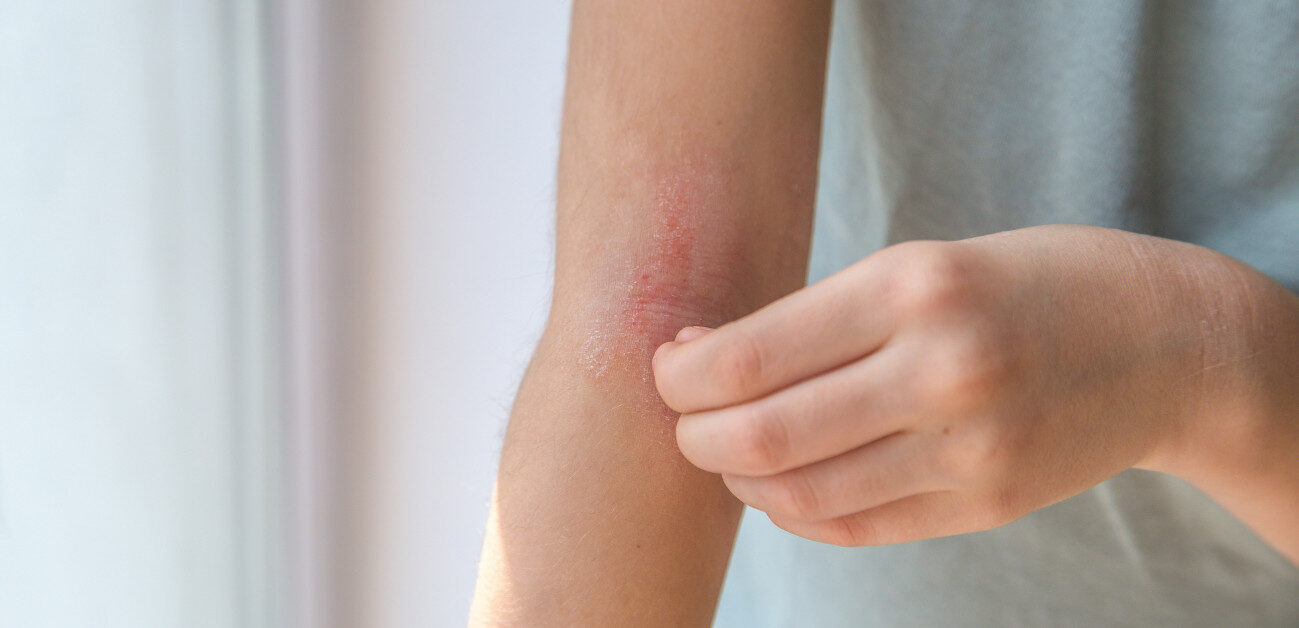
October marks National Eczema Awareness Month, a time dedicated to raising understanding about a condition that affects over 31 million Americans. As a dermatologist and the founder of Mosaic Dermatology in West Fargo, I've had the privilege of helping countless patients navigate their eczema journey. It can begin in childhood or show up later in life. Although eczema is typically chronic, the right care can dramatically reduce flare-ups and improve skin comfort and appearance.
What Is Atopic Dermatitis (Eczema)
Eczema, or atopic dermatitis, is far more than just "dry skin." It's a chronic inflammatory condition that can impact every aspect of a person's life. I've sat with patients who've described sleepless nights spent scratching, the embarrassment of visible flare-ups during important events, and the frustration of trying countless products that promise relief but fall short.
Although we understand the common factors, such as an overactive immune response, a weakened skin barrier, and genetic influences like a family history of eczema, asthma, or allergies, every patient’s eczema looks different. That’s why personalized care by an experienced dermatologist is so important.
Breaking Down the Myths about Eczema
One of the most important parts of my role as a dermatologist is clearing up misconceptions about eczema:
- “It’s just a childhood condition.” While eczema often begins in childhood, I treat many adults with persistent or newly developed symptoms.
- “It’s contagious.” This is not true. Eczema cannot be spread from one person to another.
- “You just need to moisturize more.” Moisturizing is critical, but eczema usually requires a broader plan, sometimes including prescriptions, lifestyle changes, or advanced treatments.
Why Eczema Flares in the Fall
Many patients notice flare-ups this time of year for several reasons:
- Cooler, dry air weakens the skin barrier.
- Indoor heating strips away moisture.
- Stress from school or work increases inflammation.
- Allergens like mold or ragweed peak in the fall.
Recognizing your triggers is an important step toward long-term relief.
The Mosaic Approach to Eczema Care in West Fargo
At Mosaic Dermatology in West Fargo, we view eczema treatment as creating a personalized mosaic of care strategies. Each piece, from medical treatments to lifestyle adjustments, contributes to the complete picture of skin health.
Medical Management of Eczema
Corticosteroid creams are still a mainstay in treating eczema, but newer non-steroidal options like calcineurin inhibitors and crisaborole are also effective. In recent years, research on atopic dermatitis has led to exciting advances, bringing a wide range of new topical and systemic treatments. Biologic therapies, such as dupilumab, have greatly improved care for moderate to severe eczema, and several safe injectable and oral medications are now available for cases where topical treatments aren’t enough.
Supporting the Skin Barrier for Lasting Eczema Relief
Think of your skin as a brick wall. With eczema, the “mortar” between the bricks is weakened, letting moisture escape and irritants get in. Protecting and repairing your skin barrier is one of the most important steps in preventing flares and keeping skin comfortable. We do this with fragrance-free moisturizers, gentle cleansing routines, and sometimes prescription topicals designed to restore and strengthen the barrier.
Identifying and Managing Eczema Triggers in Daily Life
Common triggers include fragrances, detergents, fabrics, weather shifts, stress, and even certain foods. Identifying and minimizing your personal triggers helps prevent flare-ups.
Addressing the Emotional Impact of Eczema
Eczema isn’t only skin-deep. Persistent itching, visible rashes, and stress of flare-ups can take a toll on mental health, often leading to disrupted sleep, fatigue, and difficulty concentrating at work or school. We understand these challenges and encourage open conversations, connection to support resources, and stress-reducing strategies as part of your care.
Practical Tips to Manage Eczema at Home
While medical treatment is crucial, daily self-care plays an equally important role:
- Moisturize immediately after bathing to lock in hydration.
- Use fragrance-free, hypoallergenic products for skin and laundry.
- Keep nails short to reduce skin damage from scratching.
- Apply cool compresses during flares for relief.
- Track your symptoms to identify personal triggers.
- Maintain a consistent sleep schedule to reduce stress-induced flare-ups
Advancing the Future of Eczema Care
The field of dermatology has made remarkable advancements in eczema treatment over the past decade. We're gaining deeper insights into the condition's underlying mechanisms, leading to more targeted therapies. New treatments focusing on specific immune pathways show tremendous promise for eczema patients who haven't found adequate relief with current options.
Schedule an Appointment for Eczema Care in West Fargo
To anyone reading this who struggles with eczema, please know that you're not alone in this journey. Eczema may be chronic, but it's absolutely manageable with the right approach and support. If you're experiencing symptoms, don’t wait for them to resolve on their own. Early intervention and proper management can prevent complications and significantly improve your quality of life.
This Eczema Awareness Month, take the first step toward better skin health. Give us a call at 701-941-3100 or schedule your appointment online today!